We want to create the biggest online listing collection of Huts around the world!
Please add you short stay hut rentals now.
Centuries ago, a hut was a primitive dwelling, constructed by various materials from nature. These days, a lot of huts still give you that historic feeling, but are also transformed into a luxurious place for you to enjoy your vacation ! We have collected the most stunning huts from around the world for you to sleep in !
10 Huts found
List your hut on this page?
Add linkStaying in a hut: a practical guide to simple shelter, shared bunks and self-reliance
A hut is shelter reduced to its essentials: four walls, a roof, somewhere to sleep and often a stove to gather around. That simplicity is exactly why so many people love them. After a night in a hut, a lot of what we usually call comfort starts to look optional, and the things that matter, a dry bed, a hot drink, good company or complete solitude, feel like luxuries.
Huts come in many forms around the world, from high mountain refuges with a warden and a hot dinner to a bare wooden shelter with a sleeping platform and nothing else. This guide explains the main kinds, how booking works, what to carry and how to be a good guest, so you can pick the right hut from the listings on this page.
The many faces of the hut
- Mountain refuges and rifugi. The Alps and the Pyrenees have a long tradition of staffed huts, known as refuges in France, rifugi in Italy, refugios in Spain and Hütten in Switzerland, Austria and Germany. Many are run by alpine clubs, offer dormitory beds and serve a set evening meal and breakfast.
- New Zealand backcountry huts. The Department of Conservation looks after a large network of huts across the country, ranging from busy huts on the Great Walks, which must be booked, to small, basic huts in remote valleys.
- Japanese mountain huts. Known as yamagoya, these are found on popular peaks such as Mount Fuji and in the Japanese Alps. Many serve dinner and breakfast, and guests sleep side by side on futons in shared rooms.
- Scottish bothies. Simple stone shelters in remote parts of Scotland, many maintained by volunteers of the Mountain Bothies Association. They are free, cannot be booked and usually offer little more than a roof, a fireplace and a sleeping area.
- Nordic wilderness huts. Norway, Sweden and Finland all have networks of huts along trails and in wild areas, from staffed lodges to self-service cabins and open wilderness huts that anyone can use.
- Backcountry huts in Canada and the United States. Alpine club huts, trail shelters and cabins in national and state parks and forests, often reached on foot, by ski or by canoe.
- Refugios in Patagonia and the Andes. Huts around places such as Bariloche in Argentina and along trails in Chilean Patagonia give walkers a warm base in wild, windy country.
- Shepherd's huts. Small wheeled huts, traditionally used by shepherds in Britain during lambing season, now often restored as cosy stays in a field or garden, usually with a proper bed and a wood burner.
- Beach huts and forest huts. Simple timber huts by the sea or among trees, where the setting is the whole point and the facilities are kept to a minimum.
Booked beds or first come, first served
Before anything else, find out how a hut handles arrivals. Popular staffed huts in the mountains are usually booked ahead, sometimes months in advance for summer weekends, and a reservation may include half board. Many remote huts, on the other hand, work on a first come, first served basis. You may need a hut pass or ticket, but a pass does not guarantee a bed. If the hut is full, the unwritten rule is to squeeze up and make room, so a tent or bivvy bag is a wise backup on busy routes.
Privately owned huts, such as shepherd's huts and many forest or beach huts, are booked like any other holiday rental, and you will have the place to yourself.
What sleeping in a hut is really like
In most shared huts you sleep in a bunk room or on a long platform next to people you have never met. Mattresses are often provided, but bedding usually is not. Bring a sleeping bag, or at least a sleeping bag liner in staffed huts where blankets are supplied, since many huts ask guests to use one for hygiene. Earplugs and an eye mask make a real difference when a dozen people share a room.
Toilets range from flush toilets in staffed refuges to a long-drop or composting toilet outside, and in some bothies there is no toilet at all, so you will need a trowel and should follow local advice on dealing with waste. Showers are rare in remote huts. Wet wipes and a small towel go a long way.
Food, water and warmth
Ask whether meals are served. Where they are not, you carry everything: food, a stove and fuel, a pot, a mug and cutlery. Some huts have gas cookers, others only a wood stove, and some have neither. Water may come from a tap, a rainwater tank or a nearby stream. Unless the hut says it is safe to drink, treat or filter it. Firewood can be scarce in remote places, so do not count on a fire for warmth. Pack clothing that keeps you warm even if the hut is cold.
Hut etiquette
Huts only work when everyone looks after them and each other. A few habits are shared almost everywhere:
- Respect quiet hours. Early risers are common in the mountains, and lights out often comes early too.
- Take off boots at the door and leave wet gear where the hut asks you to.
- Pack out all your rubbish, including food scraps.
- Leave the hut cleaner than you found it, with dry kindling for the next visitor if there is a stove.
- Sign the hut book if there is one. It helps rescuers and hut keepers.
- Make room for late arrivals, especially in bad weather.
Weather, safety and telling someone your plans
Many huts are in places where the weather can change fast and help is far away. Check the forecast before you set off, know how long the approach takes, and plan to arrive in daylight. Phone signal is often weak or absent, so tell a friend or family member where you are going and when you expect to be back, and carry a map and a light. In remote areas, a personal locator beacon or satellite messenger is worth considering. Remember that seasons are reversed in the Southern Hemisphere: the main hut season in New Zealand, Patagonia and southern Australia falls roughly between December and March, while in the Alps, the Rockies and Scandinavia it is the northern summer. Some high huts close or run unstaffed outside their season.
Questions to ask before you book
- Does the hut need a reservation, or is it first come, first served?
- Is the hut staffed, and are meals available?
- Do we sleep in a shared bunk room or have a private room or hut?
- Do we need to bring a sleeping bag, a liner or bedding?
- Is there a kitchen, a stove or cooking equipment we can use?
- Where does the water come from, and is it safe to drink?
- What kind of toilet is there, and is there any washing facility?
- How do we reach the hut, and how long does the walk in take?
- Is there heating, and is firewood provided?
- Are children and dogs welcome?
Why simple is the point
People return to huts because the experience is so direct. You notice the weather, the light and the sound of the stove. You share a table with strangers and swap stories about the day, or you sit alone in a bothy with only the wind for company. Go with modest expectations and good gear, and a hut will give you something no hotel can.
Finding a hut in this collection
The huts on this page are grouped by continent, country and region, so you can browse the area you want to explore. Each link goes to the owner's or operator's own website, where you can see what the hut offers, check availability and book directly. Do you run a hut that welcomes guests? Add your link for free with the button above and help travellers find your place.
Looking for an awesome place to spend your holiday?
Or want to advertise your houseboat, lighthouse, treehouse or glamping?
Check these links below!
Blog posts
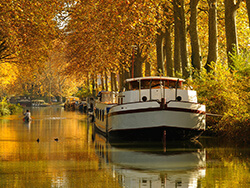
Barge river cruises in France
River cruises in France are the next luxury holiday destination. Cruise your private barge with cook down the French rivers.
Read more..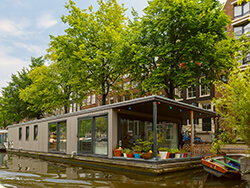
Rent a houseboat in Amsterdam
A houseboat is a great place to stay when visiting Amsterdam. Stay close to the city center but have a lot of private space.
Read more..